
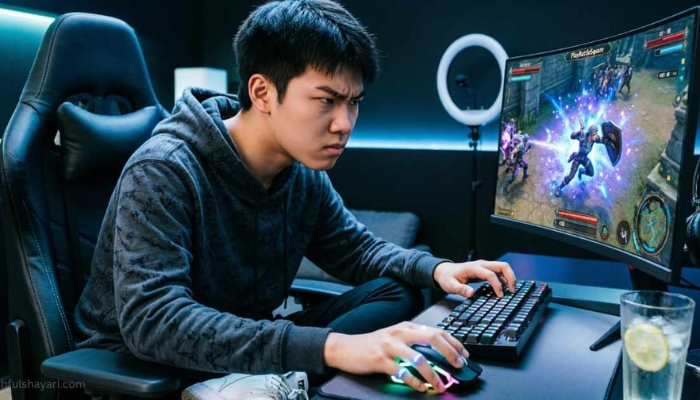
The world of gaming has evolved far beyond simply completing a campaign or playing casually with friends. Today, players increasingly seek competition, skill-based challenges, and opportunities to prove themselves against other gamers. This is where in video-games playbattlesquare becomes an interesting concept for players who enjoy competitive gaming battles. Rather than treating video games as a purely individual pastime, PlayBattleSquare can be understood as a platform built around the excitement of competing, testing strategies, and facing opponents.
At its core, in video-games playbattlesquare represents a competitive approach to gaming in which battles become the central attraction. Competitive gaming changes the way players interact with their favorite games because every decision can have consequences. Timing, strategy, practice, adaptability, and knowledge can all influence the outcome of a battle. For players who enjoy the pressure of competition, this style of gaming can make familiar gameplay feel fresh and exciting.
This article explores what PlayBattleSquare means in the context of video games, how competitive gaming battles work as a concept, why players are attracted to competitive platforms, and what skills can help gamers become stronger competitors. It also examines the broader role that platforms such as PlayBattleSquare can play in the changing gaming landscape.
What Is in video-games playbattlesquare?
In video-games playbattlesquare can be understood as a gaming-platform concept centered on competitive battles between players. Instead of focusing exclusively on exploration, storytelling, or casual entertainment, the platform concept emphasizes direct competition. Players enter gaming battles with the objective of demonstrating their abilities, making smart decisions, and outperforming their opponents.
The appeal of a competitive gaming platform comes from its straightforward challenge: can you perform better than another player when the outcome matters? This question gives video games an additional layer of excitement. A player may already understand the controls and mechanics of a particular game, but competitive battles introduce unpredictability because another human player is actively attempting to win. Unlike predictable computer-controlled opponents, human competitors can change their tactics, recognize patterns, and exploit weaknesses.
PlayBattleSquare therefore fits naturally into the broader growth of competitive gaming. Modern gamers increasingly value experiences that allow them to measure progress through actual performance. Winning a battle can provide a stronger sense of accomplishment than simply completing a routine objective because the player has overcome an opponent who was attempting to achieve the same goal.
Another important aspect of in video-games playbattlesquare is the idea of accessibility to competition. Competitive gaming does not necessarily require professional-level esports participation. Players can enjoy competition at different skill levels, from newcomers learning the basics to experienced gamers refining advanced strategies. A platform focused on gaming battles can make the competitive side of video games the primary experience rather than an optional feature.
The concept also highlights an important shift in gaming culture. Video games have increasingly become social and competitive environments where players communicate, cooperate, compete, and develop communities around shared interests. A battle-focused platform sits naturally within this ecosystem by emphasizing the competitive relationship between players.
How Competitive Gaming Battles Work on PlayBattleSquare
The central idea behind in video-games playbattlesquare is competitive gaming battles. In a battle-oriented gaming environment, players are not simply participating in a game; they are attempting to outperform another competitor. The result can depend on a combination of game knowledge, mechanical skill, strategic planning, concentration, and the ability to react under pressure.
A competitive battle generally begins with preparation. Players need to understand the rules of the game they are entering, recognize the objectives, and consider which strategies may provide an advantage. Preparation can include practicing movement, learning abilities or mechanics, studying common tactics, and understanding how opponents are likely to behave. The more familiar a player becomes with a game’s systems, the more effectively that player can make decisions during competition.
During the actual battle, reaction speed can become important, but competitive gaming is not simply about moving quickly. Good competitors often need to anticipate what an opponent will do next. A player who understands an opponent’s habits may be able to predict an attack, avoid a trap, or create an opportunity to counter. This makes competitive gaming battles a combination of mechanical execution and mental strategy.
The PlayBattleSquare competitive gaming concept can also appeal to players because every opponent creates a different challenge. Even if two players use the same game mechanics, they may approach a battle in completely different ways. One competitor might play aggressively, while another may prefer defensive tactics. A third player might focus on long-term strategy and patiently wait for an opening.
This variety helps prevent competitive gaming from becoming repetitive. When players repeatedly face new opponents, they must continue learning. A strategy that works against one competitor may fail against another. As a result, competitive battles encourage adaptation, which is one of the most valuable skills a gamer can develop.
Why Players Enjoy Competitive Gaming Battles
One of the strongest reasons in video-games playbattlesquare can attract attention is the natural human desire for competition. Players often enjoy situations where their skills can be tested and their decisions can directly influence an outcome. A competitive battle provides a clear challenge: understand the game, face an opponent, and attempt to win.
Competition can also create a powerful sense of progression. In a traditional single-player experience, progress may be represented by completed missions, unlocked items, or advancement through a story. In competitive gaming, progress can feel more personal. A player may notice that they react faster, make fewer mistakes, understand strategies more deeply, or defeat opponents who previously seemed difficult.
This creates a continuous learning cycle. A player loses a battle, identifies mistakes, changes a strategy, and tries again. Eventually, that practice can translate into better performance. Even an unsuccessful match can therefore become useful if the player treats it as an opportunity to learn.
Another reason players enjoy competitive gaming battles on PlayBattleSquare is the emotional intensity created by uncertainty. When two players have a genuine chance of winning, every decision can feel significant. A small mistake may change the direction of a match, while a clever move at the right moment can turn an apparently losing situation into a victory.
Competitive gaming can also encourage players to become more disciplined. Consistent performance requires more than enthusiasm. Players need patience, concentration, and the willingness to analyze their own weaknesses. Over time, these habits can transform casual gaming into a more deliberate and skill-oriented activity.
The social aspect should not be overlooked either. Competitive platforms can bring together people who share an interest in gaming. Players can discuss tactics, compare experiences, celebrate victories, and learn from one another. Even when competition is intense, the shared experience of gaming can create a sense of community.
Skills That Matter in PlayBattleSquare Competitive Gaming
Success in in video-games playbattlesquare is not based on a single ability. Competitive gaming battles typically reward a combination of mechanical execution, strategic thinking, game knowledge, adaptability, and mental discipline. Players who want to improve should therefore avoid focusing exclusively on one skill.
Game knowledge is one of the most important foundations. Players need to understand how the game works before they can consistently make effective decisions. This means learning the objectives, recognizing important mechanics, understanding strengths and weaknesses, and becoming familiar with the situations that commonly occur during battles.
Mechanical skill is another major factor. Depending on the game, this may involve accurate aiming, precise movement, rapid reactions, effective timing, or efficient use of abilities. Mechanical skills improve through repetition. However, practice becomes much more valuable when players deliberately work on specific weaknesses instead of simply playing matches without reflection.
Strategic thinking is equally important. A technically skilled player can still lose if they make poor decisions. Competitive battles often require players to consider when to attack, when to defend, when to take risks, and when to wait. Understanding the broader situation can sometimes be more valuable than executing a single impressive move.
Adaptability is another defining characteristic of strong competitors. Opponents do not always behave as expected. A player who relies on only one strategy may struggle when that strategy is countered. Successful competitors can recognize when something is not working and modify their approach during a battle.
Mental discipline also matters. Competitive games can create frustration, especially after a series of losses. Players who become angry or impatient may make increasingly poor decisions. Maintaining concentration and treating mistakes as information can help competitors improve more effectively.
For anyone exploring PlayBattleSquare competitive gaming, the most productive approach is therefore to think of every battle as both a competition and a learning opportunity. Winning is the immediate objective, but improvement is the longer-term goal.
The Future of Competitive Gaming and PlayBattleSquare
The growing popularity of competitive gaming suggests that platforms centered on battles can occupy an important place in the broader video-game ecosystem. In video-games playbattlesquare reflects a wider movement toward interactive experiences where players want more than passive entertainment. They want challenges, opponents, goals, and opportunities to demonstrate their abilities.
Competitive gaming has also changed the meaning of replayability. A single-player game may become less predictable once its story has been completed, but player-versus-player competition can remain unpredictable because human behavior constantly changes. Different opponents create different situations, which gives competitive games a potentially long-lasting appeal.
For a platform such as PlayBattleSquare, the competitive battle concept is particularly important because it provides a clear identity. The central attraction is not simply playing video games; it is participating in battles where skill and strategy can be tested. That focus can appeal to gamers who are motivated by challenges and enjoy measuring themselves against other players.
The future of competitive gaming will likely continue to emphasize convenience, social interaction, skill development, and engaging competition. Players increasingly expect digital gaming experiences to be connected and interactive. Competitive platforms can respond to this demand by creating environments where battles become opportunities for both entertainment and improvement.
At the same time, healthy competition remains important. The best competitive experiences encourage players to improve without turning every loss into a negative experience. Respect for opponents, responsible gaming habits, fair play, and a constructive attitude can make competitive gaming more enjoyable for everyone.
Ultimately, the significance of PlayBattleSquare in video games comes from its emphasis on the competitive side of gaming. The platform concept illustrates how modern gaming can transform a familiar hobby into an environment for strategy, skill development, experimentation, and social interaction.
Conclusion: The Competitive Potential of in video-games playbattlesquare
In video-games playbattlesquare represents a compelling way to look at gaming through the lens of competition. With competitive gaming battles at the center, PlayBattleSquare can be understood as a platform concept designed for players who enjoy testing their abilities against others. The appeal comes from the combination of challenge, strategy, unpredictability, and personal improvement.
Competitive gaming is ultimately about more than winning individual battles. It is about learning how games work, understanding opponents, improving mechanical skills, making smarter decisions, and developing the mental discipline required to perform under pressure. Every match can provide new information, and every opponent can introduce a different challenge.
For gamers searching for a more competitive experience, the PlayBattleSquare concept offers an engaging perspective on what video games can become when direct player competition takes center stage. As gaming continues to evolve, competitive platforms and battle-focused experiences are likely to remain an important part of the industry.
Frequently Asked Questions About in video-games playbattlesquare
1. What is in video-games playbattlesquare?
In video-games playbattlesquare refers to PlayBattleSquare as a gaming platform centered on competitive gaming battles. Its core concept is to give players an environment focused on competition, skill, strategy, and battling against other gamers.
2. What is the main feature of PlayBattleSquare?
The main feature of PlayBattleSquare is competitive gaming battles. The platform concept focuses on players competing against one another rather than limiting the gaming experience to casual or purely single-player activities.
3. Why are competitive gaming battles popular?
Competitive gaming battles are popular because they create challenges that require players to think, react, adapt, and improve. Human opponents also introduce unpredictability, making each competitive experience potentially different.
4. Does competitive gaming require advanced skills?
Not necessarily. Players can begin with basic knowledge and improve through practice. Competitive gaming accommodates different skill levels, and consistent learning can help players develop stronger strategies and mechanics over time.
5. What skills help players succeed in PlayBattleSquare?
Important skills include game knowledge, reaction speed, mechanical accuracy, strategic thinking, adaptability, concentration, and decision-making. A balanced combination of these abilities can help players perform more consistently.
6. Can losing a gaming battle help a player improve?
Yes. A loss can reveal weaknesses in strategy, timing, decision-making, or game knowledge. Reviewing what went wrong and changing the approach can turn unsuccessful battles into useful learning experiences.
7. Is PlayBattleSquare suitable for competitive gamers?
The platform concept is particularly relevant to gamers who enjoy competition and player-versus-player challenges. Anyone interested in testing strategies and improving through battles may find the competitive format appealing.
8. How can beginners improve at competitive gaming?
Beginners should first learn the basic mechanics of their chosen game and then practice specific skills. Watching how opponents behave, identifying repeated mistakes, and gradually developing better strategies can also support improvement.
9. What makes competitive gaming different from casual gaming?
Casual gaming often emphasizes relaxation, exploration, storytelling, or entertainment without a strong emphasis on winning against another player. Competitive gaming adds a performance-oriented element in which players actively attempt to outperform opponents.
10. What is the future of competitive gaming platforms?
Competitive gaming platforms are likely to remain important as players continue seeking interactive, social, and skill-based experiences. Platforms built around gaming battles can provide opportunities for competition, practice, strategy development, and community engagement.